
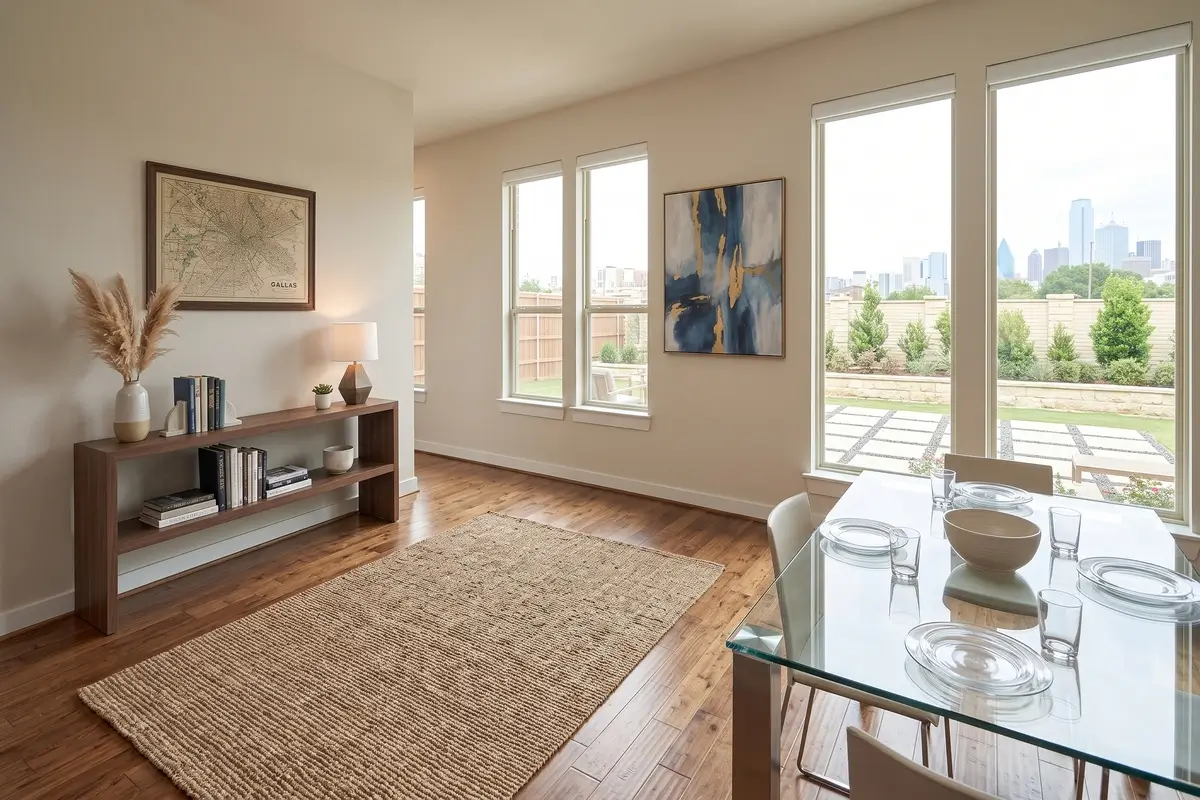
A property manager pulled up, according to a recent revenue growth in Dallas case study, a Lakewood rental's year-end statement last month and found something the owner hadn't expected. The rent had been set above market for over a year, yet the actual cash flow barely beat a comparable home renting for less. Gaps like this show up across the Dallas rental market more often than most owners realize, and they rarely stem from one obvious mistake. The U.S. Census Bureau's Housing Vacancy Survey found the national rental vacancy rate hit 7.3 percent in the first quarter of 2026, a figure that shows even well-located homes lose real income for every week they sit empty.
Dallas has grown fast over the past decade, and that growth has pulled in new landlords who set rent based on what a neighbor charges or what a listing app suggests, rather than on data specific to their property and neighborhood. That approach can work for a month or two, but it tends to break down once vacancy, repairs, or a difficult tenant enters the picture. Here's a closer look at the patterns behind this problem and what tends to drive each one.
Key Takeaways
- Premium rent doesn't automatically produce premium returns when vacancy or repair costs climb.
- Small maintenance issues left unresolved often cost more than the repairs themselves.
- Screening standards matter more, not less, as monthly rent increases.
- Owners who skip regular financial review tend to notice problems only after they've grown.
- A property's performance changes over time and needs ongoing attention past the closing date.
Seven Common Ways a High-Rent Dallas Property Underperforms
1. Renovation Costs That Outpace What the Market Will Pay
Owners sometimes invest heavily in upgrades, price the home at the top of the Dallas market, and then find the finishes don't hold up to daily rental wear. This typically traces back to choosing materials suited for a personal home rather than a rental, skipping a real comparison against similar listings, or assuming the renovation budget alone justifies a higher asking price. A kitchen remodel with delicate countertops or a bathroom finished with hardware meant for occasional use rather than daily traffic will show wear within a year or two, and the repair calls that follow eat directly into whatever premium the upgrade was supposed to earn. Anyone curious how to know if your Dallas rental property is truly profitable will usually find that upgrade spending and actual returns don't move in lockstep.
2. Listings Priced Too High to Move Quickly
| Week on Market | What Typically Happens |
|---|---|
| Weeks 1 to 2 | Showings slow noticeably after the initial interest |
| Weeks 3 to 4 | Comparable Dallas homes lease faster at slightly lower prices |
| Weeks 5+ | Price cuts begin, and total lost rent often exceeds the original premium |
Every additional week without a signed lease reduces the annual return the higher price was supposed to generate. In a market as active as Dallas, renters have options, and most won't wait around for a price to come down when a similar home two streets over is already move-in ready at a fair rate. Layout also plays a bigger role in that decision than many owners assume, since floor plans shape everyday living for the people touring a property just as much as the price tag does.
3. Maintenance Delays That Snowball Into Bigger Costs
A water heater problem ignored for a few weeks can turn into flooring damage. A skipped HVAC inspection in the spring can mean a full system replacement during a Texas summer heat wave, often at the worst possible time for a tenant relationship.
Turnover adds its own expense on top of that. Every gap between tenants brings lost rent, cleaning fees, and often another repair round before the next lease starts. Research on housing costs shows 55 percent of renters already dedicate a large share of income to rent, which makes consistent upkeep even more important for retaining reliable tenants who won't move at the first sign of a poorly maintained home. Owners wondering whether deferred maintenance has already started building up can request a free rental analysis to catch issues early, before a minor fix turns into a major expense.
4. Screening Shortcuts to Fill a Vacancy Faster
When a premium rent attracts fewer applicants, some owners loosen screening just to stop the vacancy clock. Common outcomes include:
- An applicant with high income but a history of late payments gets approved without a closer background check
- A tenant signs quickly but then struggles to consistently cover the higher monthly rent
- Property damage or an early lease break erases months of otherwise steady income
Payment history and how someone treated a previous rental typically matter more than income alone once rent climbs above the neighborhood average. A tenant earning enough on paper can still fall behind if their rent-to-income ratio leaves little room for error, so a full look at their rental record tends to catch risks that a pay stub alone won't reveal.
5. Financial Reporting That Never Gets Reviewed
Sometimes the issue isn't one bad decision at all. It's a lack of visibility into collection rates, maintenance spending, and vacancy days. Without that information, the gap between advertised rent and actual return can go unnoticed for an entire year, and by the time an owner notices, the numbers have already told the story for twelve months straight. Reliable accounting practices paired with steady rent collection tracking make it far easier to spot a declining trend before it turns into a disappointing year-end number.
6. Missing Out on What Modern Renters Actually Want
A rental priced at the top of the market needs to compete on more than square footage. Dallas renters increasingly expect connected features as part of everyday living, and a property that hasn't kept pace can struggle to justify its rent even in a strong location. Owners exploring how smart technology is changing what renters expect often find that a modest upgrade, like a smart lock or a connected thermostat, does more for renewal rates than another round of cosmetic touch-ups.
7. Treating Closing Day as the End of the Work
A final pattern shows up in owners who research a property thoroughly before buying, then stop reviewing performance once the sale is final. Rent gets set once and rarely revisited. Maintenance becomes reactive instead of planned, and the numbers only get a second look when something breaks. Owners who track performance on a set schedule, rather than waiting for a problem to force the conversation, tend to catch small shifts in the Dallas market before those shifts turn into a full year of underperformance.
FAQs about High Rent Low Performance Rentals in Dallas, TX
Does a property need to have late-paying tenants to be considered underperforming?
No. A property can collect rent perfectly on time and still underperform if expenses rise, maintenance gets deferred, or the rent hasn't been adjusted to match current market conditions in years.
Will dropping the rent price bring in stronger applicants?
Not on its own. Quality applicants weigh a property's condition and management just as much as price. A strong screening process usually does more to protect income than a lower rent alone.
Can a tenant staying for several years actually reduce my returns?
It's possible if the rent stays well under market value for too long. The savings from lower turnover can eventually get outweighed by the income gap, so periodic lease reviews help confirm the numbers still work.
What matters more, my own expenses or nearby rental prices?
Both carry weight. Expenses show your actual profitability while nearby listings confirm whether your price still fits the local market. Ignoring either side tends to lead to weaker decisions over time.
Is charging above-market rent enough to guarantee a strong return?
Not by itself. Occupancy, maintenance planning, and tenant retention all factor into the final number. A property priced high can still post a disappointing year if vacancies or turnover run frequently.
Bringing Your Rent Number in Line With Real Performance
A strong asking price only matters if it holds up across twelve months. Real performance comes down to pricing that reflects current Dallas conditions, maintenance handled before it becomes a bigger expense, and tenants screened closely enough to protect that income long term. Owners who track these details consistently tend to catch small problems while they're still cheap to fix, rather than discovering them in a year-end statement that's already locked in.
At PMI Alliance, we work with residential property owners throughout Dallas to close the distance between advertised rent and actual returns through management built around each property's real numbers, from pricing strategy to maintenance oversight to transparent reporting on where every dollar goes. Calculate your property's true earning potential by visiting our ROI calculator today.
